- Restaurant Locations
- Videos
- Latest News
- Book Now
- Subscribe
- Discover Italy

The 20 Regions of Italy
To understand Italian food, you first need to understand Italy itself. Italy is divided into 20 regions, each with its own landscape, history, traditions, ingredients and distinctive cuisine.
Although today we talk about “Italian cuisine”, for centuries people cooked primarily according to their local region. Italy only became a unified country in 1861, and its extraordinary regional differences remain one of the great strengths of traditional Italian food.
Northern Italy
In the far northwest, Valle d’Aosta reflects its Alpine surroundings with cheese, polenta and hearty mountain cooking. Neighbouring Piedmont is celebrated for truffles, hazelnuts, risotto and exceptional wines.
Liguria, with its Mediterranean coastline, gave the world pesto Genovese, while Lombardy is famous for risotto alla Milanese, polenta and dishes such as osso buco.
Further east, Trentino-Alto Adige combines Italian and Central European influences. Veneto, home to Venice and Verona, has a rich tradition of risotto, polenta, seafood and cicchetti, while Friuli-Venezia Giulia reflects its position between Italy, Austria and Slovenia.
Then comes Emilia-Romagna, often regarded as one of Italy’s great food regions. Parmigiano Reggiano, Prosciutto di Parma, traditional balsamic vinegar, tortellini, lasagne and tagliatelle al ragù all have deep connections with this remarkable region.
Central Italy
Tuscany is known for simple, ingredient-led cooking, including beans, bread, olive oil, grilled meats and the famous bistecca alla Fiorentina.
Umbria, Italy’s green heart, is associated with truffles, pork, lentils and olive oil, while Marche, stretching from the Apennines to the Adriatic, combines mountain cooking with wonderful seafood.
Lazio, the region surrounding Rome, has given Italian cuisine some of its most famous pasta dishes. Carbonara, cacio e pepe, amatriciana and gricia demonstrate how a few carefully chosen ingredients can produce extraordinary flavours.
Southern Italy
Southern Italian cooking is strongly associated with Mediterranean ingredients: tomatoes, olive oil, vegetables, pasta, seafood and herbs.
Abruzzo combines mountains and coast and is known for dishes including arrosticini and pasta alla chitarra. Molise, one of Italy’s smallest regions, maintains deeply traditional rural food customs.
Campania is home to Naples and some of the world’s most recognised Italian foods. Pizza Napoletana, mozzarella di bufala, tomatoes, seafood and pasta are central to its culinary identity.
In Puglia, olive oil, vegetables, durum wheat and seafood dominate. Orecchiette is one of its great pasta traditions, often served with cime di rapa.
Basilicata has a rustic cuisine built around bread, vegetables, pork and distinctive peppers, while Calabria is famous for powerful flavours, chillies, cured meats and ’nduja.
Sicily and Sardinia
The islands have culinary identities all their own.
Sicily reflects centuries of Greek, Arab, Norman, Spanish and other influences. Pasta alla Norma, arancini, cannoli, caponata and granita are just a few examples of its extraordinary food culture.
Sardinia, separated from mainland Italy by the Mediterranean, developed distinctive traditions including pane carasau, fregola, pecorino cheese and dishes shaped by both its coastline and pastoral interior.
One Country, Twenty Food Traditions
What makes authentic Italian cuisine so fascinating is that there is no single way to cook Italian food.
Travel from Bologna to Naples, Rome to Palermo or Milan to Bari and the ingredients, pasta shapes, sauces, cheeses, wines and cooking techniques change.
This regional diversity is at the heart of the Italian philosophy of food: use excellent ingredients, respect tradition and allow simplicity to create flavour.
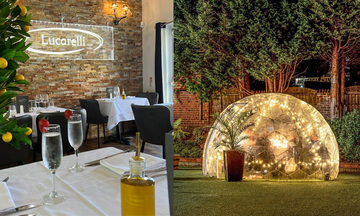
At Lucarelli Italian Restaurant, this is the Italy that inspires us. Our passion for Italian food comes from a country where recipes tell stories about families, towns and regions.
Whether you visit Lucarelli Mailbox Birmingham or Lucarelli West Bromwich, our aim is to bring some of that Italian spirit to the West Midlands through food, hospitality and the pleasure of sharing a table.
This article is only the beginning. In our Discover Italy series, we will travel through each of Italy’s 20 regions individually, exploring their history, landscapes, famous dishes, ingredients, wines and culinary traditions.
Twenty regions. Twenty different identities. One extraordinary country.