- Restaurant Locations
- Videos
- Latest News
- Book Now
- Subscribe
- Discover Italy

Where Italy Meets Central Europe
In Italy's far northeast, Friuli-Venezia Giulia is a region of striking contrasts. The Alps rise in the north, the Adriatic Sea meets its southern coastline, and the cities reveal centuries of Italian, Austrian, Slovenian and wider Central European influence. Its capital, Trieste, looks towards the sea, while Udine and the towns of Friuli preserve a different rhythm of regional life.
Bordering Austria and Slovenia, Friuli-Venezia Giulia is one of Italy's five autonomous regions with special status. Its name brings together distinct historical territories, and its identity is enriched by Italian, Friulian, Slovenian and German-speaking traditions. For Lucarelli Italian Restaurant's Discover Italy series, it is a wonderful example of how varied Italian culture can be within a single region.
Trieste: The Adriatic City of Coffee and Culture
Trieste has a character unlike that of many other Italian cities. Once the principal seaport of the Habsburg monarchy, it developed a cosmopolitan atmosphere shaped by merchants, writers and travellers. Grand buildings frame Piazza Unità d'Italia, opening towards the waterfront, while historic cafés reflect the city's long relationship with coffee.
Trieste's literary heritage includes connections with James Joyce and Italo Svevo. Nearby, Miramare Castle overlooks the Gulf of Trieste, its gardens and pale stone creating one of the region's most memorable coastal scenes.
Coffee remains central to the city's everyday culture. Historic cafés are places for conversation, reading and meeting friends, making Trieste an ideal stop in our journey through Italian food and traditions.
Udine, Cividale and Ancient Aquileia
Udine offers elegant squares, Venetian-influenced architecture and a strong connection with Friulian identity. The city's piazzas and traditional osterie invite visitors to discover local food at a leisurely pace.
East of Udine, Cividale del Friuli preserves important evidence of the Lombards, the people who ruled parts of Italy during the early Middle Ages. Its historic monuments form part of a UNESCO World Heritage listing celebrating Lombard sites across Italy.
Further south, Aquileia was a major Roman city and early Christian centre. Its archaeological remains and magnificent basilica mosaics are recognised by UNESCO. Together, these places reveal a region shaped by Roman history, medieval kingdoms and centuries of cultural exchange.
Mountains, Lagoons and the Adriatic Coast
The northern landscape is dominated by the Carnic and Julian Alps, with mountain valleys, forests, lakes and villages that preserve Alpine traditions. The Friulian Dolomites offer dramatic peaks and opportunities to explore a quieter side of mountain Italy.
Closer to the coast, the scenery changes completely. Grado is known for its historic centre, beaches and lagoon setting, while the limestone Karst plateau around Trieste has its own distinctive terrain and food traditions.
The region's geography helps explain its cuisine. Mountain communities developed hearty dishes suited to cold winters, while coastal towns relied on fish, seafood and the produce of the lagoons. The result is an extraordinary combination of Alpine and Adriatic flavours.
The Traditional Food of Friuli-Venezia Giulia
The region's cooking reflects its crossroads position. Italian techniques sit alongside ingredients and dishes influenced by neighbouring Central European cultures.
One of the best-known Friulian specialities is frico, a comforting preparation of cheese, often combined with potatoes and onions, cooked until golden. It is particularly associated with the mountains and countryside of Friuli.
Jota is a substantial soup traditionally made with beans, potatoes and sour cabbage, especially associated with Trieste and the surrounding borderlands. Its warming flavours reflect the region's cooler seasons and cultural connections.
Cjarsons are filled pasta parcels from Carnia, notable for fillings that can combine savoury and sweet ingredients. They demonstrate how local recipes develop their own identity, even within Italy's wider pasta tradition.
Along the coast, seafood dishes draw on the Adriatic, while polenta is a familiar accompaniment throughout much of the region. Friuli-Venezia Giulia reminds us that authentic Italian cuisine is not a single set of recipes: every valley, town and family has its own traditions.
Prosciutto di San Daniele and Montasio Cheese
Among the region's most celebrated products is Prosciutto di San Daniele DOP, produced around the town of San Daniele del Friuli. The ham is made through a carefully regulated process of salting and maturation, with local conditions contributing to its character. Thinly sliced, it is prized for its delicate texture and flavour.
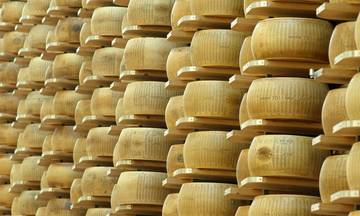
Montasio DOP is another regional treasure, a cheese with roots in the Alpine dairy traditions of northeastern Italy. Its character changes as it matures, making it suitable for everything from simple tasting plates to traditional cooked dishes.
These protected products are closely tied to place. Their stories connect local agriculture, specialised knowledge and the importance of preserving regional food heritage.
The Wines of Collio and Friuli
Friuli-Venezia Giulia is particularly admired for its white wines. The hills of Collio, near the Slovenian border, and the neighbouring Colli Orientali del Friuli produce wines shaped by varied soils, elevations and local grape traditions.
Friulano, Ribolla Gialla and Malvasia are among the grapes associated with the area, alongside international varieties such as Sauvignon Blanc and Pinot Grigio. Red wines are also important, including local varieties such as Refosco.
The region is known for both fresh, aromatic styles and more structured wines. Some producers also use extended skin contact with white grapes, a technique that has attracted international attention. As elsewhere in Italy, the most interesting way to understand these wines is through their connection with the land and the people who make them.
Gubana, Presnitz and Sweet Traditions
Desserts offer another glimpse of the region's cultural mixture. Gubana, associated with the Natisone valleys, is a spiral-shaped sweet bread or pastry filled with ingredients such as nuts, dried fruit and flavourings. Recipes vary between families.
Trieste has its own rich pastry traditions, including presnitz, a rolled pastry with a sweet filling that reflects Central European influences. Cakes and pastries served with coffee remain an important part of local café culture.
These foods tell the same story as the region's architecture and languages: Friuli-Venezia Giulia has developed through contact, exchange and the blending of traditions over centuries.
Discover Friuli-Venezia Giulia with Lucarelli Italian Restaurant
From the elegant waterfront of Trieste to the Roman heritage of Aquileia, the mountain villages of Carnia and the vineyards of Collio, Friuli-Venezia Giulia offers an unforgettable journey through northeastern Italy.
Its food brings together frico, cjarsons, San Daniele ham, Montasio cheese, seafood and distinctive wines. Every dish reflects a landscape, a community and a history.
At Lucarelli Italian Restaurant at The Mailbox Birmingham and in West Bromwich, our Discover Italy collection celebrates these regional stories and the extraordinary diversity behind Italian cuisine.
Explore Friuli-Venezia Giulia alongside our articles on Veneto, Trentino-Alto Adige, Lombardia and the 20 regions of Italy. The more we discover, the clearer it becomes: Italy's greatest culinary richness lies in its regional differences.