- Restaurant Locations
- Videos
- Latest News
- Book Now
- Subscribe
- Discover Italy

Two Alpine Cultures in One Italian Region
In the far north of Italy, Trentino-Alto Adige is a region of soaring mountains, clear lakes, historic towns and extraordinary cultural diversity. Bordering Austria and Switzerland, it brings together two autonomous provinces: Trento, commonly called Trentino, and Bolzano/Bozen, known as South Tyrol or Alto Adige. Both belong to Italy, yet their languages, architecture and culinary traditions reveal centuries of connections across the Alps.
For Lucarelli Italian Restaurant’s Discover Italy series, this is a fascinating journey into a different side of Italian life. Here, Italian and Central European influences meet in mountain kitchens, vineyards, village festivals and the everyday traditions of Alpine communities.
The Dolomites: Mountains of Extraordinary Beauty
The Dolomites are among the most spectacular mountains in Europe. Their pale limestone towers, dramatic ridges and steep valleys change colour as the sun rises and sets, sometimes glowing pink and orange in the evening light. Parts of the Dolomites were inscribed on the UNESCO World Heritage List in 2009 for their outstanding natural beauty and geological importance.
Famous landscapes include the Val di Fassa, Val Gardena/Gröden and the mountains around the Three Peaks of Lavaredo, known as Tre Cime di Lavaredo or Drei Zinnen. The Dolomites extend beyond this region into neighbouring parts of northeastern Italy, but they are central to its identity.
In summer, visitors explore hiking paths, mountain pastures and Alpine villages. Winter brings skiing and snow-covered scenery. The mountains have also shaped local farming, food preservation and the ingredients used in traditional cooking.
Trento and Bolzano: Two Distinctive Cities
Trento is a city of elegant squares, frescoed buildings and Renaissance history. Its cathedral and the Castello del Buonconsiglio recall centuries of political and religious importance. The Council of Trent, held in the sixteenth century, left a lasting mark on European history.
Further north, Bolzano, or Bozen in German, offers a different atmosphere. Its arcaded streets, markets and bilingual signs reflect the region’s German-speaking heritage. The South Tyrol Museum of Archaeology houses Ötzi, the remarkably preserved prehistoric individual discovered in the Alps in 1991.
These cities help explain why Trentino-Alto Adige cannot be reduced to one cultural identity. Italian and German are official languages in South Tyrol, while Ladin is also protected and spoken in several Dolomite valleys. Trentino is predominantly Italian-speaking, with its own minority-language communities.
Lake Garda, Alpine Lakes and Mountain Valleys
The northern tip of Lake Garda lies in Trentino. Around Riva del Garda and Torbole, steep mountains meet blue water, creating a landscape where sailing, walking and lakeside life sit side by side. The area’s relatively mild conditions support olive cultivation, a striking contrast with the colder valleys further north.
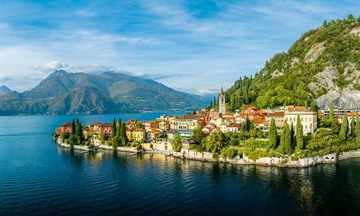
Elsewhere, lakes such as Lago di Braies/Pragser Wildsee and Lago di Carezza/Karersee are celebrated for their mountain settings and clear waters. Vineyards, apple orchards, forests and Alpine meadows complete the landscape.
Geography matters enormously here. In only a short journey, visitors can move from Mediterranean-influenced lakeside scenery to high-altitude villages where the winters are long and traditional dishes are designed to be warming and substantial.
Traditional Food of Trentino-Alto Adige
The food of Trentino-Alto Adige reflects the meeting of Italian and Alpine traditions. Pasta and polenta share the table with dumplings, smoked meats, rye bread, mountain cheeses and apple desserts.
Canederli, also known as Knödel, are bread dumplings traditionally made with ingredients such as speck, cheese or herbs. They may be served in broth or alongside other dishes. Their origins reflect the resourceful practice of turning leftover bread into nourishing food.
Speck Alto Adige is a lightly smoked and air-cured ham with protected geographical status. It is often enjoyed with bread and cheese, and also appears in traditional recipes. Another favourite is spätzle, small soft dumplings commonly served with butter, cheese or cream-based sauces.
In Trentino, strangolapreti are spinach-and-bread dumplings associated with local cooking, while polenta accompanies mushrooms, meat and mountain cheeses. Each valley has its own variations, showing how recipes evolved around what families could produce and preserve.
Apples, Strudel and Alpine Sweet Traditions
Apples are an important crop, particularly in South Tyrol’s orchards, where altitude and climate help shape their flavour. Apple strudel is among the region’s best-known desserts: thin pastry wrapped around apples, often with raisins, cinnamon and breadcrumbs.
Other sweet traditions include zelten, a festive fruit-and-nut bread or cake associated with Christmas, and krapfen, filled pastries found across the Alpine world. These desserts connect family celebrations with seasonal ingredients and the region’s long-standing cultural exchanges.
They also remind us that Italian cuisine extends far beyond the familiar Mediterranean image. In northern Italy, the flavours of butter, apples, rye, nuts and warm spices have an equally important place.
Mountain Cheeses, Wine and Local Produce
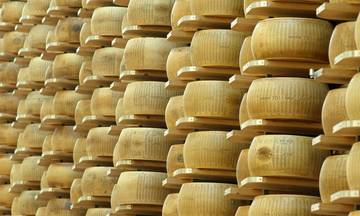
Mountain dairy farming has created a rich tradition of cheeses, including Trentingrana and numerous local Alpine varieties. Summer grazing in high pastures contributes to the identity of many regional dairy products.
Wine is another important part of the landscape. Trentino is associated with Trentodoc traditional-method sparkling wine, while Alto Adige produces distinctive whites and reds, including Pinot Grigio, Gewürztraminer, Lagrein and Schiava/Vernatsch. Steep slopes, varied altitudes and contrasting climates give local producers a remarkable range of growing conditions.
The region also celebrates traditional markets, small farms and local food producers. From speck and apples to cheese and wine, its most recognisable foods are inseparable from the valleys and people who make them.
Discover Trentino-Alto Adige with Lucarelli Italian Restaurant
Trentino-Alto Adige shows how varied Italy truly is. Its Dolomite peaks, Alpine lakes, historic towns and multilingual communities create a regional identity unlike anywhere else in the country. Its food tells the same story: Italian traditions enriched by centuries of Alpine exchange.
At Lucarelli Italian Restaurant at The Mailbox Birmingham and in West Bromwich, our Discover Italy series celebrates the landscapes, people and ingredients behind authentic Italian cuisine. Explore this region alongside Veneto, Lombardia, Piemonte and Valle d’Aosta, and continue discovering the remarkable food cultures of Italy’s 20 regions.
From canederli and speck to apple strudel and mountain wines, Trentino-Alto Adige offers a memorable taste of Italy among the high Alps.