- Restaurant Locations
- Videos
- Latest News
- Book Now
- Subscribe
- Discover Italy

A Dish That Tells the Story of Northern Italy
Few dishes express the character of northern Italian cooking as beautifully as risotto. A spoonful can be delicate and creamy, rich with saffron, earthy with mushrooms or fragrant with seafood. Yet the foundation is remarkably simple: rice, stock, patient cooking and an understanding of how ingredients work together.
Unlike pasta, which is closely associated with many parts of Italy, risotto has particularly strong roots in the north. Its history follows the fertile plains of the Po Valley, where water, agriculture and trade helped turn rice into a staple ingredient. Today, risotto is a celebration of regional identity and the Italian tradition of allowing good ingredients to speak for themselves.
How Rice Reached the Po Valley
Rice was cultivated in Asia long before it became important in Europe. It reached the Mediterranean through centuries of trade and cultural exchange, and was grown in parts of southern Italy before large-scale cultivation took hold in the north.
By the fifteenth century, rice farming was expanding across the irrigated plains of northern Italy, particularly in areas that now form Lombardia and Piemonte. The Po River and its tributaries, together with canals and carefully managed fields, provided conditions suited to growing rice.
The countryside around Vercelli, Novara and Pavia became especially important. Rice cultivation required water management, considerable labour and specialist knowledge. It changed the landscape and created a lasting relationship between local communities and the grain that would become central to their kitchens.
From Rice Fields to Risotto
Rice was not always prepared as the creamy risotto we recognise today. Earlier recipes included boiled rice, soups and dishes cooked with milk or broth. Over time, cooks developed methods that used the grain's natural starch to create a soft, flowing texture while retaining a little firmness at the centre.
The modern risotto technique emerged gradually rather than through a single inventor. Northern Italian cooks learned to toast the rice, add liquid during cooking and finish the dish with fat or cheese. These practices became part of a culinary tradition that values both precision and judgement.
Risotto is therefore more than a recipe. It reflects the agricultural history of the Po Valley and generations of cooks learning how to transform a local crop into something exceptional.
Risotto alla Milanese: The Golden Classic
Perhaps the most celebrated version is risotto alla Milanese, famous for its deep golden colour and delicate saffron aroma. The dish is closely associated with Milan, the capital of Lombardia, and remains one of the city's defining specialities.
A popular legend connects saffron rice with a sixteenth-century wedding and craftsmen working on Milan Cathedral. The story is colourful, but the precise origin of risotto alla Milanese is uncertain. What is clear is that saffron rice developed a lasting place in Milanese cooking.
Traditional versions use suitable risotto rice, stock, saffron and butter, often with onion and grated cheese. Some recipes also include marrow. Risotto alla Milanese is frequently served with ossobuco, slow-cooked veal shank, although it is equally appreciated on its own.
The dish demonstrates how a small quantity of a distinctive ingredient can shape an entire recipe.
The Rice Varieties Behind a Good Risotto
Not every type of rice behaves the same way in the pan. Italian risotto relies on varieties that can release enough starch to create creaminess while maintaining their structure.
Arborio is widely recognised and commonly available. Carnaroli is valued by many cooks for its firm texture and reliable performance. Vialone Nano, strongly associated with the Veneto area around Verona, is especially well suited to certain traditional regional risottos.
These names describe different rice varieties, not interchangeable guarantees of quality. The right choice depends on the recipe, cooking method and the texture the cook wants to achieve.
One important rule is to avoid rinsing risotto rice before cooking, since washing can remove some of the surface starch that contributes to the dish's characteristic consistency.
The Art of Cooking Risotto
A traditional risotto often begins with a gentle soffritto, commonly onion softened in butter or olive oil. The rice is then toasted briefly, a stage known as tostatura, before wine may be added and allowed to evaporate.
Warm stock is incorporated gradually, with the cook stirring as needed and monitoring the liquid. Constant vigorous stirring is not essential, but attention is: the rice should cook evenly without sticking or becoming dry.
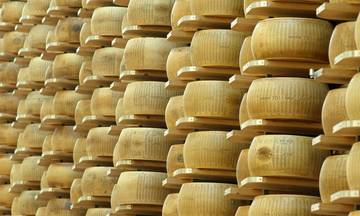
The final stage, mantecatura, is particularly important. Off the heat, butter and often Parmigiano Reggiano are stirred in to give the risotto a smooth, cohesive finish. A well-made risotto should flow gently across the plate rather than sit in a stiff mound. Italians sometimes describe this as all'onda, meaning wave-like.
Cooking times vary with the rice and the recipe. The real test is the balance between a tender, slightly firm grain and a creamy sauce created by the rice itself.
Regional Risotto Traditions
Lombardia is home to risotto alla Milanese, but its rice traditions extend to dishes featuring mushrooms, sausage and local cheeses. In Piemonte, the rice-growing districts around Vercelli and Novara have inspired recipes using regional wines, beans and seasonal ingredients. Panissa vercellese, for example, combines rice with beans and other savoury ingredients.
In Veneto, risi e bisi brings together rice and peas in a dish that is looser than many classic risottos. Risotto all'Amarone, associated with the Verona area, uses the region's celebrated red wine, while radicchio from Treviso gives other versions a distinctive colour and gentle bitterness.
Along the Adriatic coast, seafood risottos reflect fishing traditions and the availability of fresh shellfish and fish. In autumn, mushrooms, pumpkin and other seasonal produce offer yet more variations.
Each version is a reminder that Italian food is not one uniform cuisine. The landscape and local ingredients shape what is cooked.
Risotto and the Italian Table
Risotto is often served as a primo piatto, the first substantial course of an Italian meal. It is a dish to be cooked close to serving time and enjoyed while its texture is at its best.
Its appeal lies partly in its flexibility. A modest combination of rice, stock and vegetables can become a comforting family meal, while saffron, seafood or carefully selected mushrooms can make it a centrepiece for a special occasion.
Good risotto also captures a central principle of Italian cooking: technique matters, but it exists to bring out the quality of the ingredients, not to overwhelm them.
Discover Risotto with Lucarelli Italian Restaurant
At Lucarelli Italian Restaurant, our Discover Italy collection explores the history, ingredients and regional traditions behind Italian food. The story of risotto connects naturally with our articles on Lombardia, Piemonte, Veneto and Parmigiano Reggiano.
From the rice fields of the Po Valley to the golden risotto of Milan, this dish shows how Italian cuisine transforms local produce through knowledge, patience and care.
Whether you are discovering the stories behind traditional Italian food or planning a visit to Lucarelli Italian Restaurant at The Mailbox Birmingham or in West Bromwich, we invite you to explore the remarkable diversity of Italy's regional cooking.