- Restaurant Locations
- Videos
- Latest News
- Book Now
- Subscribe
- Discover Italy

From an Imported Drink to an Italian Ritual
Coffee is not grown commercially on any significant scale in Italy, yet few countries have shaped the way the world drinks it as profoundly. The quick espresso at the bar, the morning cappuccino and the welcoming aroma of a neighbourhood café are woven into everyday Italian life. For our Lucarelli Discover Italy series, the story of coffee is a journey through trade, invention, craftsmanship and hospitality.
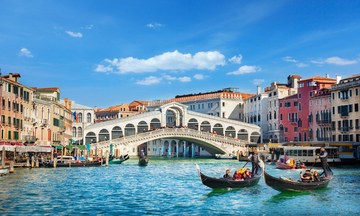
Coffee originated far from Italy, with its early history connected to northeast Africa and the Arabian Peninsula. It reached European trading centres through Mediterranean commerce. Venice, a powerful maritime city, became one of the gateways through which coffee entered Italy during the seventeenth century.
Venice and the Rise of the Italian Café
Coffee was initially an unfamiliar and expensive drink. Over time it became fashionable, and coffeehouses developed into meeting places where people exchanged news, debated ideas and enjoyed conversation. Venice's Caffè Florian, established in 1720 in St Mark's Square, remains one of the most celebrated examples of this café tradition.
Coffeehouses spread to cities including Turin, Milan, Rome and Naples. They were not merely places to buy a drink: they became part of urban culture, bringing together writers, artists, merchants and friends. This social dimension remains essential to Italian coffee culture today.
The Invention of Espresso
The word espresso is closely associated with a coffee prepared individually and served promptly. During the late nineteenth and early twentieth centuries, Italian inventors experimented with machines that could make coffee faster for customers in busy cafés. Angelo Moriondo patented an early steam-powered coffee apparatus in Turin in 1884. Luigi Bezzera and Desiderio Pavoni later helped develop and commercialise espresso machines in Milan.
The modern espresso developed further as machines began using pressure to push hot water through finely ground coffee. Achille Gaggia's mid-twentieth-century innovations helped establish the concentrated drink with the characteristic golden crema familiar today. Espresso became a symbol of Italian engineering as well as Italian taste.
What Makes an Italian Espresso?
A traditional espresso is small but full of character. Freshly ground coffee is prepared in a machine that extracts flavour, aroma and oils into a concentrated cup. The result depends on the beans, roasting, grinding, water, equipment and skill of the barista.
Italy has a long tradition of blending coffees to achieve a balanced, recognisable house style. Preferences differ by city and region: some drinkers enjoy a gentler, aromatic espresso, while others favour a more intense, darker-roasted cup. There is no single flavour that represents every Italian café.
The best espresso is not necessarily the strongest or most bitter. It should have balance, aroma and a satisfying finish.
Cappuccino, Macchiato and the Morning Routine
For many Italians, coffee is part of the rhythm of the day. A cappuccino and a pastry are familiar breakfast companions, while a quick espresso may follow lunch or provide a short break during the afternoon.
Cappuccino combines espresso with steamed milk and a layer of fine foam. A caffè macchiato is espresso marked with a little milk, while a caffè latte contains more milk. Ordering simply un caffè at an Italian bar usually means an espresso.
It is common in Italy to drink a cappuccino in the morning, but the idea that it is forbidden after a particular hour is a cultural exaggeration. Coffee customs are habits, not laws, and visitors should enjoy what they like.
Naples, Turin and Regional Coffee Traditions
Italian coffee culture changes as you travel. Naples is renowned for its passionate espresso tradition and the custom of caffè sospeso, a coffee paid for in advance for someone who may need it. The practice reflects generosity and the idea that even a small everyday pleasure can be shared.
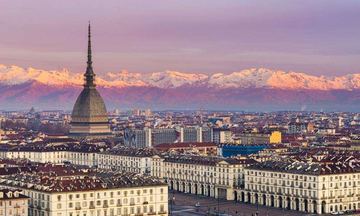
Turin is famous for bicerin, a rich drink traditionally combining coffee, chocolate and cream. In the north, elegant historic cafés became important centres of social and cultural life. Across Italy, the local bar is often the place where neighbours greet one another before beginning their day.
These differences make coffee a fascinating subject for Discover Italy: one drink, many local stories.
The Moka Pot: Coffee at Home
Not every Italian coffee is prepared by a professional barista. In 1933, Alfonso Bialetti introduced the Moka Express, a stovetop coffee maker that became a familiar sight in Italian homes. Its distinctive octagonal shape is now recognised around the world.
The moka pot uses steam pressure to move water through ground coffee, producing a strong brew that is different from machine-made espresso. For generations of families, its gentle bubbling and aroma have signalled breakfast, conversation and the start of a new day.
Coffee is therefore as much a domestic tradition as a café experience.
Coffee, Desserts and Italian Hospitality
Coffee is also an ingredient in some of Italy's most loved desserts. Tiramisu combines coffee-soaked biscuits with mascarpone and cocoa, while affogato pairs a scoop of gelato with hot espresso. Both show how Italian cooking can turn a few carefully chosen ingredients into something memorable.
A coffee after a meal is often a moment to slow down, continue a conversation or bring a gathering to a close. The drink may be small, but the ritual surrounding it is part of the pleasure of Italian hospitality.
Discover Italian Coffee with Lucarelli
At Lucarelli Italian Restaurant, our Discover Italy articles explore the stories behind the food and drink that have shaped Italian culture. From the historic cafés of Venice to espresso machines in Milan, the coffee bars of Naples and the kitchens of Italian families, coffee connects generations and regions.
Whether you visit Lucarelli at The Mailbox in Birmingham or Lucarelli West Bromwich, we celebrate the same spirit of warmth, conversation and time spent together around the table.
Explore our other stories about Italian gelato, tiramisu, Piemonte and the regions of Italy, and discover how a simple cup of coffee became one of the country's most recognisable daily traditions.