- Restaurant Locations
- Videos
- Latest News
- Book Now
- Subscribe
- Discover Italy

Liguria: Italy’s Riviera of Colour, Sea and Flavour
Stretching in a graceful arc along the Mediterranean coast of northwest Italy, Liguria is a region of dramatic cliffs, colourful harbours, terraced hillsides and remarkable food traditions. Wedged between the sea and the mountains, it has developed a distinctive identity shaped by fishing, seafaring, trade and the ingenuity of people farming steep land.
From the grand port city of Genoa to Portofino and the five celebrated villages of Cinque Terre, Liguria offers some of Italy’s most recognisable coastal scenery. For Lucarelli Italian Restaurant’s Discover Italy series, it is also a wonderful place to explore how simple ingredients can become extraordinary dishes.
Genoa: A Maritime City with a Rich History
Genoa, or Genova, is Liguria’s capital and one of Italy’s great historic ports. For centuries, the Republic of Genoa was a major Mediterranean maritime power, its merchants connecting the city with distant markets and cultures. The city’s narrow lanes, known as caruggi, lead to churches, historic palaces, lively markets and the old harbour.
Genoa’s impressive Palazzi dei Rolli and Strade Nuove form part of a UNESCO World Heritage Site. Yet its culinary reputation is just as important: the city gave its name to pesto alla Genovese, one of the world’s best-loved Italian sauces. The maritime past also lives on in dishes featuring preserved fish, herbs, vegetables and ingredients brought through trade.
Portofino and the Italian Riviera
Portofino is celebrated for its sheltered harbour, pastel-coloured buildings and wooded headland. Once a fishing village, it became an internationally recognised symbol of the Italian Riviera. Nearby Santa Margherita Ligure and Rapallo have their own waterfront promenades, cafés and local traditions.
The Riviera is not simply a place of luxury and summer holidays. Its communities have long depended on the sea, small-scale agriculture and close ties between neighbouring villages. The combination of blue water, green hills and houses clinging to the shoreline gives this part of Italy its unmistakable character.
Cinque Terre: Five Villages Between Mountains and Sea
The Cinque Terre comprises Monterosso al Mare, Vernazza, Corniglia, Manarola and Riomaggiore. These villages sit along a spectacular stretch of coast, connected by rail, paths and centuries of local history.
Generations of residents built stone terraces into steep hillsides to grow grapes, olives and other crops. This extraordinary landscape is part of the UNESCO-listed Portovenere, Cinque Terre and Islands site. Today, visitors come for the colourful buildings and sea views, but the terraces tell a deeper story of persistence, careful farming and adaptation to difficult terrain.
Local food is shaped by this landscape: seafood from the coast, fragrant herbs, vegetables, olive oil and wines from the hillsides.
Pesto alla Genovese: Liguria’s Most Famous Creation
Few dishes capture Liguria more clearly than pesto alla Genovese. Traditionally made with fresh basil, pine nuts, garlic, extra virgin olive oil, Parmigiano Reggiano, Pecorino and salt, it is a sauce celebrated for freshness and balance.
The name pesto comes from the Italian verb pestare, meaning to pound or crush, recalling the traditional mortar-and-pestle preparation. Ligurian basil, especially basil associated with the Genoa area, is prized for its delicate aroma.
Pesto is often served with trofie, short twisted pasta, or trenette, a long flat pasta. A traditional Ligurian serving may also include potatoes and green beans, making the dish a wonderful example of how a few ingredients can create something memorable. Good pesto should taste of basil, cheese, nuts and olive oil working together rather than any one ingredient overwhelming the others.
Focaccia, Farinata and Everyday Ligurian Food
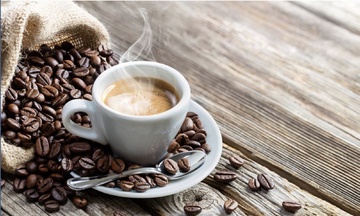
Liguria has a remarkable bread culture. Focaccia Genovese is one of its signature foods: a soft, olive-oil-rich flatbread with a golden surface and characteristic dimples. It is enjoyed at different times of day, sometimes even at breakfast with coffee.
In Recco, focaccia di Recco is a different speciality: thin layers of dough enclosing a creamy fresh cheese filling. Farinata, made from chickpea flour, water, olive oil and salt, is baked into a thin savoury pancake and served warm.
These dishes are rooted in everyday life. They demonstrate the resourcefulness of local cooks and the importance of flour, pulses and olive oil in the regional kitchen.
Seafood, Olives and the Flavours of the Coast
The Ligurian table draws on both land and sea. Anchovies, mussels and other seafood feature in coastal cooking, while herbs, vegetables and olives are essential inland. Acciughe ripiene, stuffed anchovies, are one example of a local speciality, and buridda is a name used for traditional fish stews with regional variations.
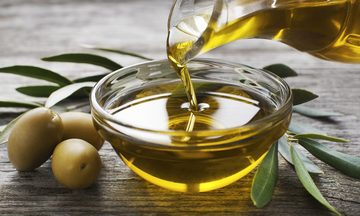
The small Taggiasca olive, closely associated with western Liguria, is valued for its delicate flavour and used both at the table and for olive oil. Olive groves occupy terraces above the sea, where farmers have worked around the limitations of the landscape for generations.
Another celebrated dish is coniglio alla Ligure, rabbit cooked with ingredients that may include olives, pine nuts, herbs and wine. It shows that Ligurian cuisine is much more than pesto and fish.
Ligurian Wines and Hillside Vineyards
Liguria’s vineyards are often planted on steep slopes where cultivation requires considerable effort. The Cinque Terre produces distinctive white wines, while Sciacchetrà is a traditional sweet passito wine made from dried grapes.
Elsewhere, Pigato and Vermentino are among the white varieties associated with the region, and Rossese di Dolceacqua is an important local red wine. These wines reflect the same relationship between geography and tradition found in Liguria’s food: small plots, challenging terrain and strong local identities.
Discover Liguria with Lucarelli Italian Restaurant
Liguria is a reminder that Italian cuisine cannot be reduced to one national menu. Along this narrow stretch of coast, mountains meet the Mediterranean, and local cooks have turned basil, olive oil, chickpeas, bread, seafood and seasonal vegetables into a distinctive culinary heritage.
At Lucarelli Italian Restaurant at The Mailbox Birmingham and in West Bromwich, our Discover Italy series explores the places and traditions behind the food we love. From the Alpine cooking of Valle d’Aosta to the wines of Piemonte, the lakes of Lombardia and now the Riviera of Liguria, every region tells a different story.
Explore our guide to the 20 regions of Italy and discover more about Italian pasta, olive oil and regional food culture. Liguria invites us to enjoy Italy at its simplest: good ingredients, beautiful surroundings and the pleasure of sharing a table.