- Restaurant Locations
- Videos
- Latest News
- Book Now
- Subscribe
- Discover Italy

Italian Gelato: The Story Behind Italy’s Favourite Frozen Treat
From Renaissance Italy to the Gelaterias of Today
Few pleasures feel more Italian than stopping at a gelateria, choosing a favourite flavour and enjoying a cone or cup while walking through a piazza. Gelato is now loved around the world, yet its story is closely connected with Italy’s history, regional ingredients and tradition of turning simple food into something memorable.
Like pizza and pasta, gelato has become an internationally recognised Italian word. Its modern form developed over centuries from earlier traditions of chilled fruit, sweetened drinks and sorbets.
From Sorbet to Renaissance Italy
Long before modern refrigeration, Mediterranean cultures combined snow and ice with fruit, honey and sweetened liquids, while Arab traditions helped spread sorbets through Sicily and southern Europe.
By the sixteenth century, Florence was important in gelato’s development. Bernardo Buontalenti, associated with the Medici court, is traditionally linked with refining a frozen dessert using milk, sugar and eggs. Historians caution against naming one inventor, but Renaissance Tuscany played a major role in shaping modern gelato.
From Italy to Paris
Another important figure was Francesco Procopio dei Coltelli, a Sicilian who established Café Procope in Paris in 1686. Famous for frozen refreshments, it helped spread Italian expertise beyond Italy and introduced a wider European public to these fashionable desserts.
What Makes Gelato Different?
Gelato and conventional ice cream belong to the same family, but traditional gelato is generally made and served differently. It commonly contains less fat, incorporates less air during churning and is served at a slightly warmer temperature than many commercial ice creams.
The result is typically a denser, smoother texture and an immediate flavour on the palate. Because gelato is not served rock-hard, flavours such as pistachio, hazelnut, chocolate, coffee and fresh fruit can feel particularly expressive.
The skill lies in balance. Sugar, fat, temperature and the air introduced during mantecazione all influence the final texture. A good gelatiere understands how these elements work together.
A Journey Through Italian Flavours
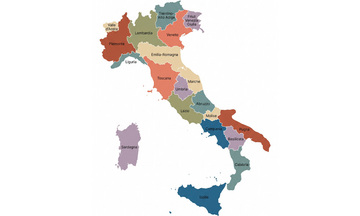
One of the joys of gelato is the way it reflects Italy’s regions and ingredients. Piemonte gives us the celebrated combination of chocolate and hazelnut found in gianduia. Sicily is famous for pistachios, citrus fruits and the tradition of granita. Other flavours celebrate coffee, almonds, lemons, berries and seasonal fruit.
Classics include stracciatella, chocolate, nocciola and fior di latte. This regional character makes gelato perfect for Discover Italy: a display of flavours can become a journey from northern hazelnut country to the citrus and pistachio landscapes of the south.
The Italian Gelateria
Gelato is more than a dessert in Italy. The gelateria is part of everyday social life. Families stop for gelato, friends meet over it and an evening passeggiata can easily include a cone or coppetta along the way.
There is no need for a formal occasion: choose your flavours, step outside and continue your walk. Yet behind that simple pleasure is real craftsmanship. Artisan gelato depends on ingredient quality, temperature, texture, freshness and the judgement of the person making it.
Gelato and the Italian Way of Life
Gelato combines craftsmanship with pleasure: sophisticated without becoming formal and traditional without standing still. Modern gelatieri experiment with flavours and techniques, but the idea remains familiar — transform good ingredients into something that brings people together. Whether enjoyed in Florence, Turin, Rome, Naples or Palermo, gelato carries a little of that Italian ritual with it.
Discover Italian Food with Lucarelli
At Lucarelli Italian Restaurant, our Discover Italy series explores the stories behind the food, regions and traditions that make Italian cuisine so diverse.
From pasta and pizza to Valle d’Aosta and Piemonte, every story reveals another part of Italy. Gelato belongs naturally within that journey: simple in appearance, rich in history and closely connected with craftsmanship and hospitality.
At Lucarelli in Birmingham’s Mailbox and West Bromwich, we celebrate the same idea at the heart of Italian dining — food is about people, place, tradition and the pleasure of sharing. Continue your journey through Italy with Lucarelli’s Discover Italy series.